
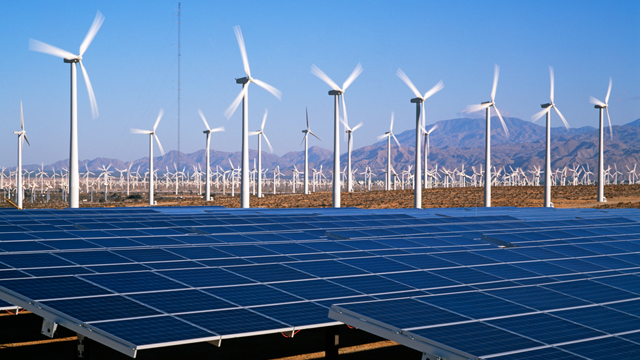

Dholera’s solar ambitions are among the widest in India: a purpose-built solar park with multi-gigawatt capacity that aims to power industrial clusters, feed national grids, and anchor a green-energy economy in SIR. This article explores scale, technology choices, storage integration, local manufacturing linkages, and economic implications.
Size and technology
Conceived across thousands of hectares, the solar park clusters large-scale photovoltaic installations, utility battery storage, and manufacturing lodges for panel & inverter assembly. The technology stack includes fixed-tilt arrays complemented by tracker systems in higher-efficiency blocks, interactive SCADA controls, and central inverters sized for modular commissioning.
Grid integration and storage
Large solar eggs require intelligent dispatch and energy‑buffering. Grid-strengthening schemes and battery energy‑storage systems (BESS) are being planned to smooth diurnal variation and allow industrial offtakers to receive stable supply even during non-sunny hours. Grid interconnects also allow surplus power to flow out to the western grid — a revenue stream for park stakeholders.
Industrial synergies
Manufacturing that depends on green power — battery plants, electric-vehicle component factories, solar‑module assembly — find Dholera an attractive proposition. Co-located energy reduces exposure to tata power disruptions and fosters an ecosystem where suppliers cluster to reduce logistics costs.
Environmental tradeoffs & land management
Large panels occupy land; planners must balance agricultural displacement, habitat loss, and dust‑management. Mitigation strategies in practice include dual-use agrivoltaics, dust control programs, and dedicated biodiversity offsets.
What to watch next
Commercial-scale commissioning of blocks, BESS activation, power purchase agreements (PPAs) with anchor industries, and any plans to localize upstream PV manufacturing.

